
On August 12, 2019, the EPA published revised rules and regulations under the Endangered Species Act (ESA). These finalized changes have serious implications for the Endangered Species Act as we know it. The changes revise the procedures and criteria used for listing or removing species from the List of Endangered and Threatened Wildlife and Plants and designating critical habitats. Specifically, the changes remove the Blanket Rule for FWS threatened species. Historically, this rule extended the same protection that the ESA affords endangered species automatically to threatened species as well. This rule revision would make those protections only available on a case by case basis to specific species. Other rule changes could have cascading impacts as well, including new and shorter timelines for reports and the ability of the agencies to consider economic impacts when making listing decisions.
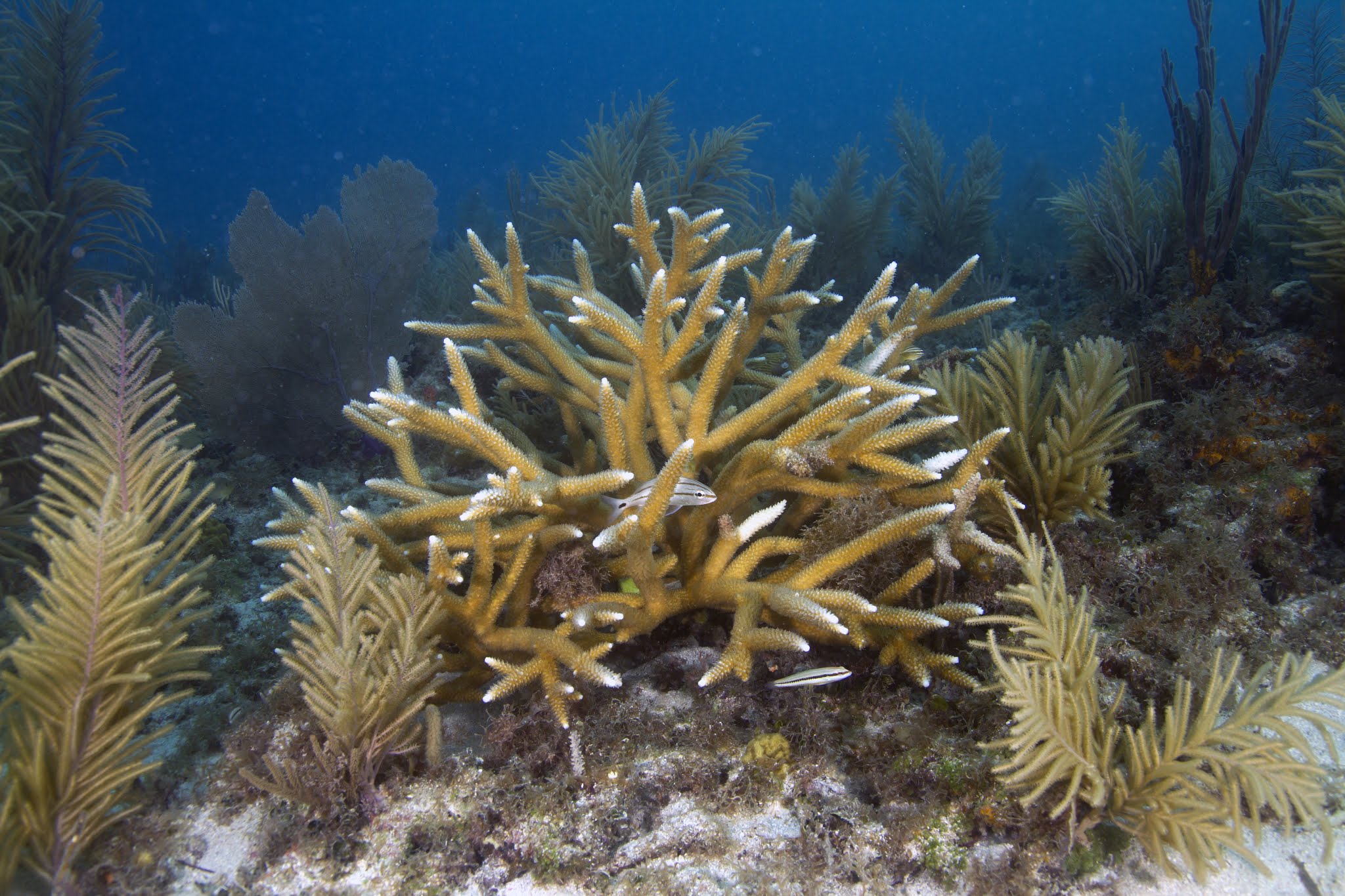
 (Photo Credit: Evan D’Alessandro)
These finalized regulations significantly weaken the process for listing and enforcing ESA protections. With these changes, it is more difficult to protect wildlife from long-
term threats posed by climate change. It is also more difficult to protect Florida’s economically and ecologically valuable coral reef ecosystems. Coral reefs have a major impact on south Florida’s economy, protect the coastline from storms and flooding, and serve as a habitat for many important species of commercial and recreational fisheries. They are also a major driver of tourism, offering aesthetic and recreational opportunities for snorkeling and scuba diving. Several of our coral species are listed as threatened under the ESA – including the Staghorn Coral, which was the basis of our lawsuit in the PortMiami dredging litigation. Read more HERE.
The U.S Fish and Wildlife Service (FWS) explains that these revisions are the President’s attempt to ease “the regulatory burden on the American public, without sacrificing our species protection and recovery goals.” With these changes to the ESA, not only will species protection and recovery goals be sacrificed, but so could Florida’s tourism, jobs, and economy. The ESA is a pillar of environmental law and critical to ensuring our ability to protect imperiled species like corals.
Support Us!
To support our efforts to protect these important species, please consider making a contribution to our legal fund.
Originally published at https://www.miamiwaterkeeper.org/rule_revisions_to_endangered_species_act_finalized