
Coastal Wetlands Restoration & Wastewater Reuse

Rehydrated coastal wetlands in Biscayne Bay provide important ecosystem services and could be key in local climate change resiliency measures. To explore this subject farther, Miami Waterkeeper recently hosted a program at Deering Estate on the economic valuation of ecosystem restoration in order to discuss the benefits to restoring wetlands and options for wastewater reuse. The day […]

Back

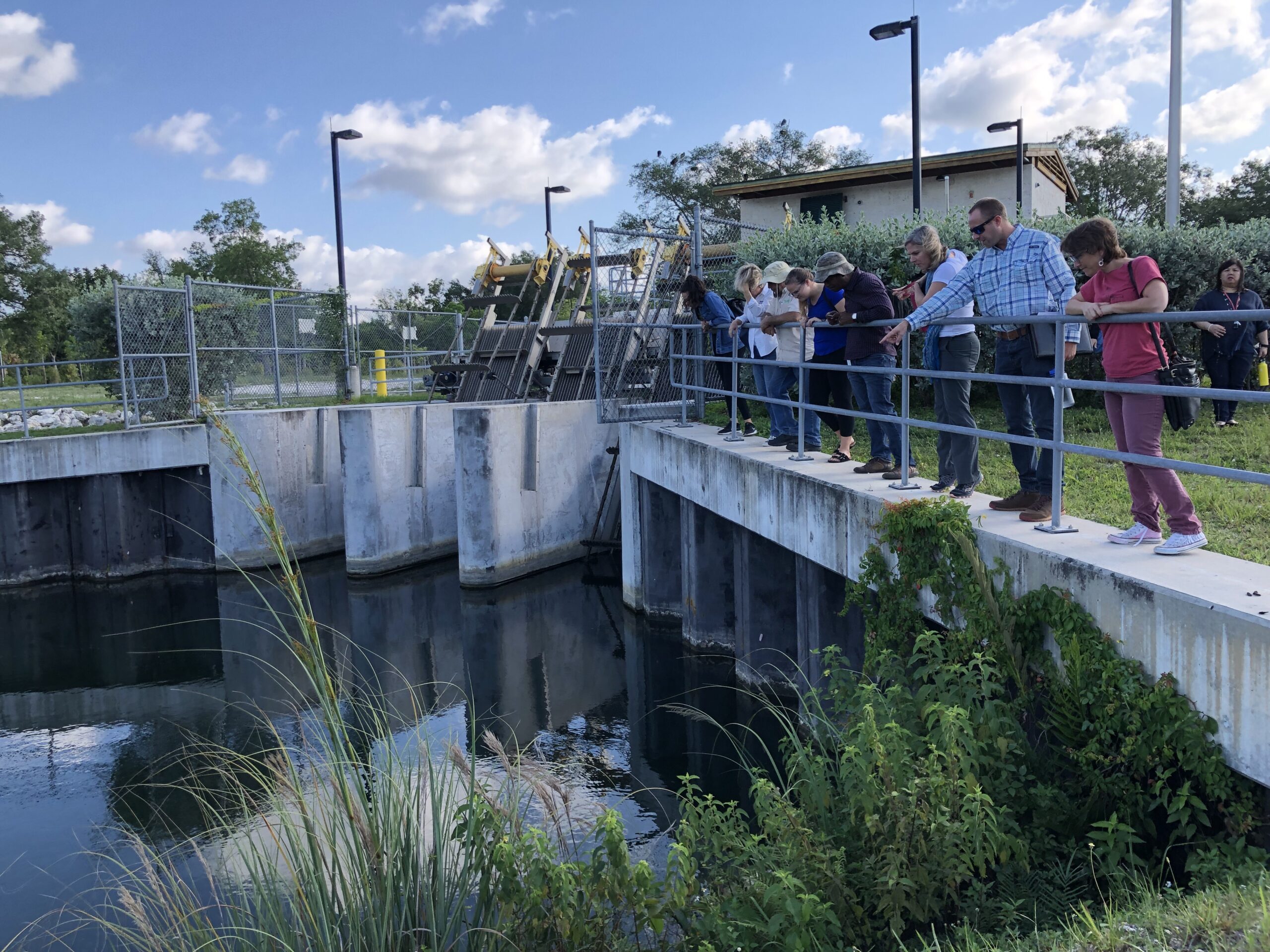
Rehydrated coastal wetlands in Biscayne Bay provide important ecosystem services and could be key in local climate change resiliency measures. To explore this subject farther, Miami Waterkeeper recently hosted a program at Deering Estate on the economic valuation of ecosystem restoration in order to discuss the benefits to restoring wetlands and options for wastewater reuse. The day began with a tour of a pilot wetlands restoration site lead by Dallas Hazelton (Natural Areas Management, Miami-Dade County). Then during a panel discussion, scientists and resource managers explained the importance of quantifying ecosystem benefits as a resiliency measure for Miami-Dade County.

Miami Waterkeeper Executive Director, Rachel Silverstein, moderated the panel that included Lee Hefty (DERM, Miami-Dade County), Kevin Lynskey (Water and Sewer, Miami-Dade County), Bahrem Charkhian (South Florida Water Management District), and Julia Wester (Field School, Blue Backyard Miami, University of Miami Abess Center). Panelists discussed nature-based infrastructure, ecosystem services, and natural capital as a means of making our county more resilient to sea level rise and other climate change-related threats, with a specific focus on wastewater reuse opportunities and challenges.

We also shared our newly released study on the value of restored wetlands, conducted by Earth Economics and funded by The Miami FoundationThe study explains how Biscayne Bay’s coastal wetlands provide essential ecosystem services. Rehydrated coastal wetlands would provide $120 million in ecosystem services annually, amounting to $3.3 billion when treated as an asset. Enhancing Biscayne Bay’s health would lead to improved resilience for the region. Building resilience includes, but isn’t limited to, increasing protection from storms, ensuring reliable drinking water, enabling continued recreational and commercial fishing, and buffering sea level rise.

Read more about the Earth Economics study HERE

Originally published at https://www.miamiwaterkeeper.org/coastal_wetlands_restoration_wastewater_reuse

Tags:

Get updates about our work

We respect your privacy.

Media Coverage

Stories of Accountability & Recovery

Miami Waterkeeper has been cited by local and national outlets as a trusted source on South Florida water quality, policy, and environmental justice.

Miami Herald

A developer financed a film on what ails Miami. He says developers can do better

September 14, 2026

The Miami Herald previewed “The Future We Build,” a new short documentary on the compounding crises facing Miami, opening with environmental advocate Rachel Silverstein…

Read more

Italy Report USA

Miami Beach Promossa a Pieni Voti nella Gestione delle Acque Piovane

August 29, 2026

Italy Report USA reported on the Stormwater Report Card — produced by Miami Waterkeeper with the Everglades Law Center and the University of Miami’s environmental program — highlighting Miami Beach’s strong marks for managing stormwater….

Read more

WTVJ-TV – NBC 6 South Florida

Another Dredging Project on Hold in Broward Amid Coral and Conch Concerns

August 21, 2026

NBC 6 South Florida covered the pause on another Broward dredging project amid concerns for coral and queen conch, quoting Miami Waterkeeper CEO Rachel Silverstein on a coral she described as “functionally extinct in the state of Florida.” Our group is one of those behind the challenge….

Read more

Support our work

We’re committed to transparency, accountability, and maximizing the impact of every dollar entrusted to us. Be part of the change and donate today!

Florida Solicitation of Contributions Registration #CH46021 A copy of the official registration and financial information for Biscayne Bay Waterkeeper (aka Miami Waterkeeper), a Florida-based nonprofit organization, may be obtained from the Division of Consumer Services by calling toll-free 1-800-HELP-FLA (435-7352) within the state or visiting www.800HELPFLA.com. Registration does not imply endorsement, approval, or recommendation by the state.