
How Much Sediment Can Corals Tolerate?

Earlier this month, Miami Waterkeeper, along with Waterkeepers across Florida, took part in the Florida Department of Environmental Protection (FDEP) comprehensive review of all water quality standards for the state of Florida, called the Triennial Review. The Clean Water Act requires all states to conduct a comprehensive review of all water quality standards every three […]

Back

Earlier this month, Miami Waterkeeper, along with Waterkeepers across Florida, took part in the Florida Department of Environmental Protection (FDEP) comprehensive review of all water quality standards for the state of Florida, called the Triennial Review. The Clean Water Act requires all states to conduct a comprehensive review of all water quality standards every three years. In response to the Triennial Review, the public has the opportunity to recommend revisions and provide input on Florida water quality standards. This process directly affects our water quality.

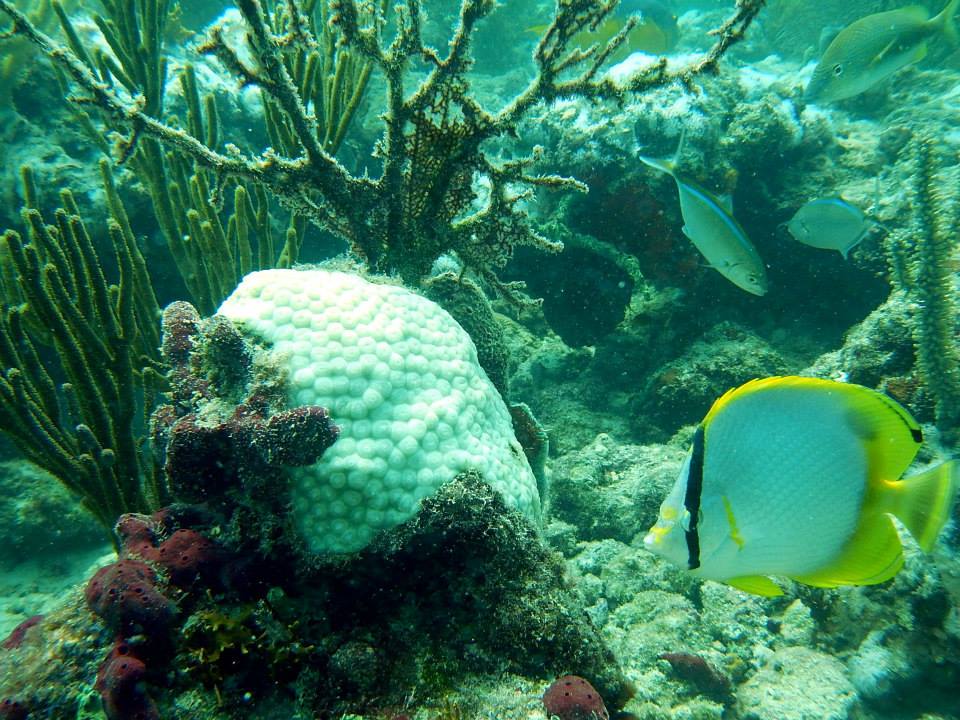
Miami Waterkeeper has made several formal comments regarding the draft revised turbidity criterion. Turbidity is suspended sediment in the water, which can shade or smother corals and seagrass. This rule will regulate how much sediment can be in the water during dredging and construction projects. This is crucial because dredging can cause widespread ecosystem impacts from suspending sediment, as occurred in the PortMiami dredging project when over 560,000 corals were killed by sediment.

Changing this standard is crucial to protecting corals and seagrasses. We are pleased that FDEP recognized that the existing standard is not protective of our coral reefs and is proposing more strict standards to protect sensitive environments such as reefs and seagrasses from sediment produced by dredging. However, we are still recommending further clarity in the regulations to prevent loopholes. We need YOU to weigh in during the next public comment period too! Stay tuned for that.


It’s also crucial that FDEP examine possible connections between dredging sediment and coral disease when assessing risks associated with turbidity. Research presented by Dr. Michael Studivan and Dr. Ian Enochs to the Disease Advisory Committee demonstrated that there are serious indications that suspended sediments increase the rate of Stony Coral Tissue Loss Disease. The research implicated suspended sediments as a vector of this disease.

Read the full technical comment HERE.

Originally published at https://www.miamiwaterkeeper.org/miami_waterkeeper_s_triennial_review_comments

Get updates about our work

We respect your privacy.

Media Coverage

Stories of Accountability & Recovery

Miami Waterkeeper has been cited by local and national outlets as a trusted source on South Florida water quality, policy, and environmental justice.

Miami Herald

A developer financed a film on what ails Miami. He says developers can do better

September 14, 2026

The Miami Herald previewed “The Future We Build,” a new short documentary on the compounding crises facing Miami, opening with environmental advocate Rachel Silverstein…

Read more

Italy Report USA

Miami Beach Promossa a Pieni Voti nella Gestione delle Acque Piovane

August 29, 2026

Italy Report USA reported on the Stormwater Report Card — produced by Miami Waterkeeper with the Everglades Law Center and the University of Miami’s environmental program — highlighting Miami Beach’s strong marks for managing stormwater….

Read more

WTVJ-TV – NBC 6 South Florida

Another Dredging Project on Hold in Broward Amid Coral and Conch Concerns

August 21, 2026

NBC 6 South Florida covered the pause on another Broward dredging project amid concerns for coral and queen conch, quoting Miami Waterkeeper CEO Rachel Silverstein on a coral she described as “functionally extinct in the state of Florida.” Our group is one of those behind the challenge….

Read more

Support our work

We’re committed to transparency, accountability, and maximizing the impact of every dollar entrusted to us. Be part of the change and donate today!

Florida Solicitation of Contributions Registration #CH46021 A copy of the official registration and financial information for Biscayne Bay Waterkeeper (aka Miami Waterkeeper), a Florida-based nonprofit organization, may be obtained from the Division of Consumer Services by calling toll-free 1-800-HELP-FLA (435-7352) within the state or visiting www.800HELPFLA.com. Registration does not imply endorsement, approval, or recommendation by the state.