
Progress in Port Everglades!

The Army Corps of Engineers recently released a status report on their upcoming dredging project at Port Everglades. The report announced that the project has now been delayed to 2021.  A federally protected Staghorn Coral buried in dredging sediment from the PortMiami expansion project.   Previously, Miami Waterkeeper, along with other environmental groups, filed a lawsuit […]

Back

The Army Corps of Engineers recently released a status report on their upcoming dredging project at Port Everglades. The report announced that the project has now been delayed to 2021. 

cervicornis_PK1_2_(2).jpgA federally protected Staghorn Coral buried in dredging sediment from the PortMiami expansion project.


Previously, Miami Waterkeeper, along with other environmental groups, filed a lawsuit against the Army Corps of Engineers and asked them to reevaluate the environmental plans for the Port Everglades dredging and expansion project. Miami Waterkeeper argued that the Corps failed to consider lessons learned from the PortMiami dredging project where sediment blanketed nearly 250 acres of reef.

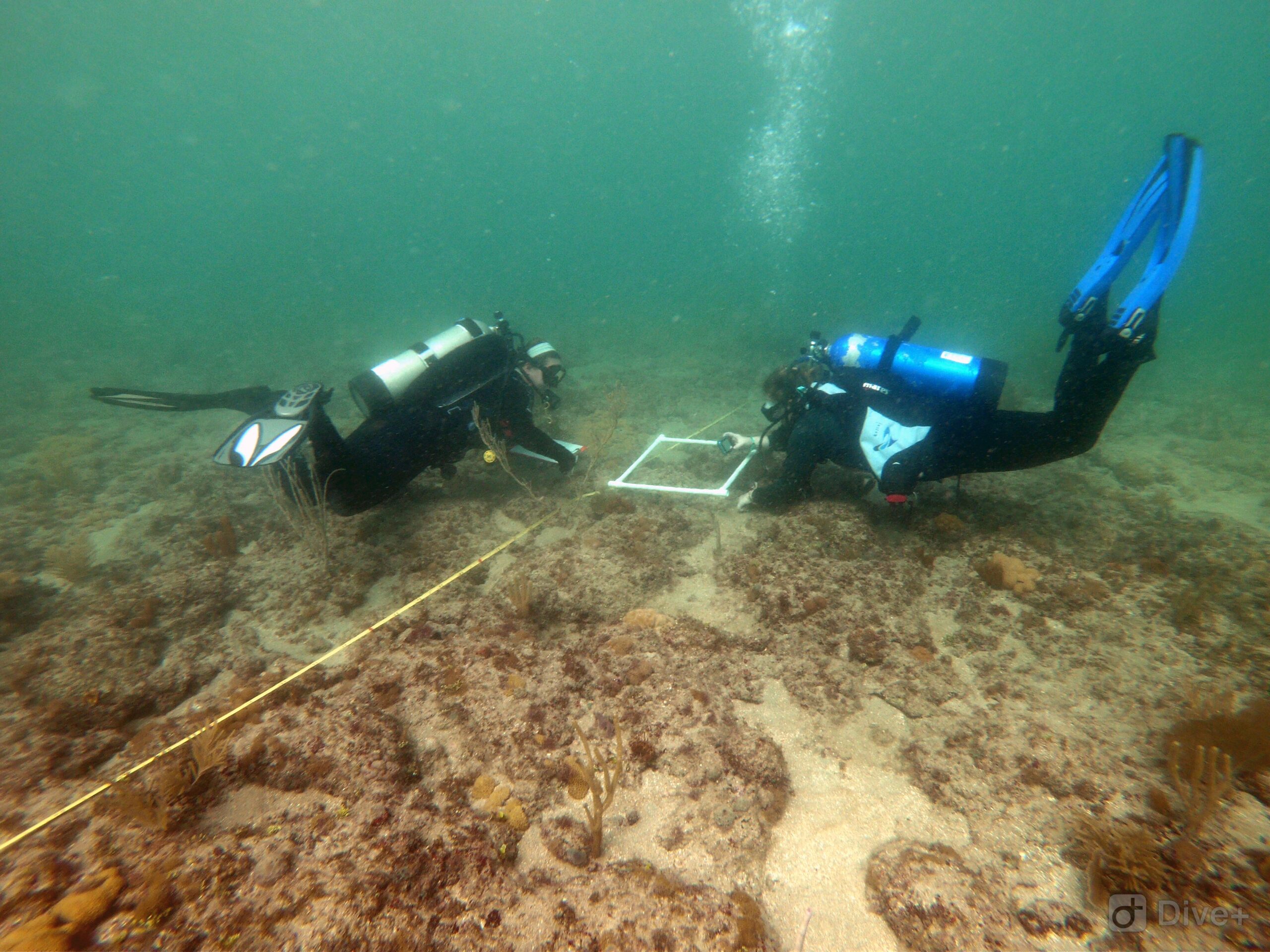
Divers survey the ocean floor during Miami Waterkeeper’s inaugural Port Everglades BioBlitz event in September 2018. A BioBlitz is a high-intensity biological survey of resources that will inform agency decision-makers about coral species near the impact area for the dredging project.


Because of our lawsuit, the Army Corps of Engineers agreed to re-do its environmental plans for the Port Everglades project, now officially delaying the project by 4 years. We are hopeful that the Corps’ new analyses will consider the widespread harm that was done to coral reefs in their previous project in Miami and will include improvements for protecting our irreplaceable coral reefs in Fort Lauderdale.  We have already lost over 80% of our coral reef in Florida since the 1970’s– and likely more with the recent tens of millions of corals killed by a coral disease outbreak.  With climate change, water pollution, fish declines, and more threatening our reefs, we can’t afford to lose even more corals through poor management.  That’s why Miami Waterkeeper took a stand to protect our reefs.

Originally published at https://www.miamiwaterkeeper.org/progress_in_port_everglades

Tags:

Get updates about our work

We respect your privacy.

Media Coverage

Stories of Accountability & Recovery

Miami Waterkeeper has been cited by local and national outlets as a trusted source on South Florida water quality, policy, and environmental justice.

Press Release

NEWS: Corps Temporarily Halts Fort Lauderdale Dredging Project After Conservationists’ Lawsuit

August 13, 2026

For Immediate Release, August 13, 2026 The U.S. Army Corps of Engineers has agreed to halt authorization of all dredging activity for Broward County’s…

Press Release

Conservationists Challenge Dredging Project Near Port Everglades Over Endangered Species Act Violations

August 6, 2026

Miami Waterkeeper, the Center for Biological Diversity,  Florida Wildlife Federation and the Diving Equipment & Marketing Association sued the U.S. Army Corps of Engineers and the National Marine Fisheries Service on Tuesday for violating the Endangered Species Act when permitting a sand dredging project near Port Everglades….

Press Release

Miami-Dade Cities Overall Improve Stormwater Compliance, but Biscayne Bay is still at Risk

June 3, 2026

A coalition of environmental organizations released the Stormwater Report Card for Miami-Dade County, a comprehensive, independent assessment of how the county and its 34 municipal permittees manage polluted stormwater…

Support our work

We’re committed to transparency, accountability, and maximizing the impact of every dollar entrusted to us. Be part of the change and donate today!

Florida Solicitation of Contributions Registration #CH46021 A copy of the official registration and financial information for Biscayne Bay Waterkeeper (aka Miami Waterkeeper), a Florida-based nonprofit organization, may be obtained from the Division of Consumer Services by calling toll-free 1-800-HELP-FLA (435-7352) within the state or visiting www.800HELPFLA.com. Registration does not imply endorsement, approval, or recommendation by the state.