
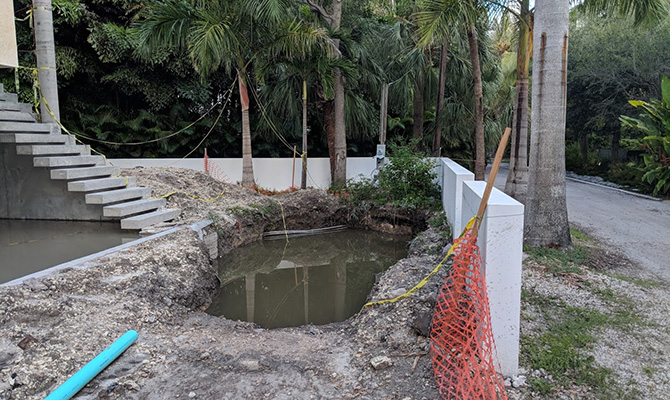
Septic Tanks

Advocating for sewer connections and stronger septic regulations to prevent pollution from entering canals and Biscayne Bay.

More than 120,000 septic systems remain in Miami-Dade County. These aging systems are polluting groundwater and Biscayne Bay—and sea level rise is making the problem worse.

What is A Septic system?

Most homes treat wastewater in one of two ways: through a municipal sewer system or a private septic system.

A septic system collects wastewater in an underground tank. Liquid wastewater then flows into a drainfield, where it is naturally treated as it filters through the surrounding soil before reaching groundwater.

Septic Tanks Weren’t Built for South Florida

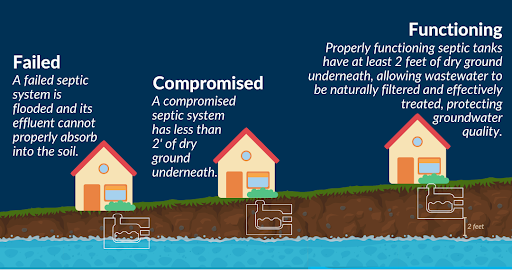
A properly functioning septic system depends on at least two feet of dry, unsaturated soil beneath the drainfield to naturally remove bacteria, nutrients, and other pollutants.

South Florida’s shallow groundwater table and porous limestone make that difficult. Instead of filtering wastewater, our geology allows pollutants to move quickly into the Biscayne Aquifer and nearby waterways. As sea level rises, groundwater rises too, leaving even less dry soil for septic systems to work properly.
Why it Matters

When septic systems can’t properly treat wastewater, pollution can reach our groundwater and waterways, contributing to:

  • Bacteria contamination
  • Nutrient pollution
  • Algal blooms
  • Fish kills
  • Public health risks


Because groundwater and Biscayne Bay are closely connected, pollution doesn’t stay in one place—it spreads throughout our watershed. 

What you can do

If your property uses a septic system:

  • Pump your system every 3–5 years.
  • Conserve water to reduce strain on your system.
  • Never flush grease, wipes, or harsh chemicals.
  • Protect your drainfield from vehicles and deep-rooted plants.
  • Find out whether your property uses a septic system.

Am I on Septic?

Share this campaign

Explore Related Work

PUBLISHED WORK

Media Coverage

Stories of Accountability & Recovery

Miami Waterkeeper has been cited by local and national outlets as a trusted source on South Florida water quality, policy, and environmental justice.

Miami Herald

A developer financed a film on what ails Miami. He says developers can do better

September 14, 2026

The Miami Herald previewed “The Future We Build,” a new short documentary on the compounding crises facing Miami, opening with environmental advocate Rachel Silverstein…

Read more

Italy Report USA

Miami Beach Promossa a Pieni Voti nella Gestione delle Acque Piovane

August 29, 2026

Italy Report USA reported on the Stormwater Report Card — produced by Miami Waterkeeper with the Everglades Law Center and the University of Miami’s environmental program — highlighting Miami Beach’s strong marks for managing stormwater….

Read more

WTVJ-TV – NBC 6 South Florida

Another Dredging Project on Hold in Broward Amid Coral and Conch Concerns

August 21, 2026

NBC 6 South Florida covered the pause on another Broward dredging project amid concerns for coral and queen conch, quoting Miami Waterkeeper CEO Rachel Silverstein on a coral she described as “functionally extinct in the state of Florida.” Our group is one of those behind the challenge….

Read more

Support our work

We’re committed to transparency, accountability, and maximizing the impact of every dollar entrusted to us. Be part of the change and donate today!

Florida Solicitation of Contributions Registration #CH46021 A copy of the official registration and financial information for Biscayne Bay Waterkeeper (aka Miami Waterkeeper), a Florida-based nonprofit organization, may be obtained from the Division of Consumer Services by calling toll-free 1-800-HELP-FLA (435-7352) within the state or visiting www.800HELPFLA.com. Registration does not imply endorsement, approval, or recommendation by the state.

Social Feed

@miamiwaterkeeper